
By Sylvie Barron, guest writer
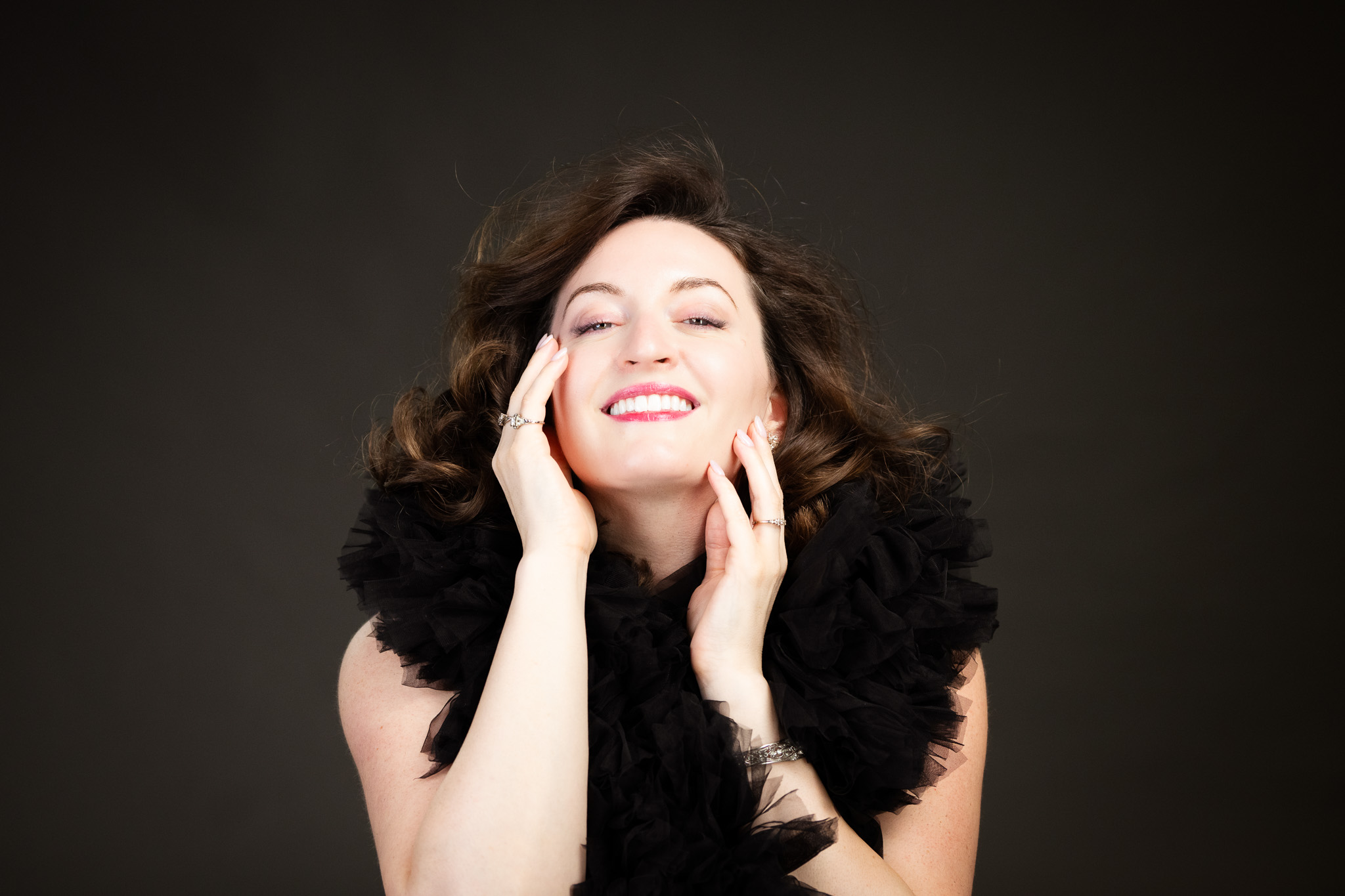
For operatic soprano Susanna Barasch, the question is not how to make classical music less classical. It is how to make the experience of hearing it feel more personal.
That distinction sits at the center of The Art of Song, Barasch’s evolving recital project, which places opera and classical song alongside unexpected contemporary repertoire—from Puccini and Handel to The Cranberries and Olivia Dean.
It is an unconventional program, but Barasch is not particularly interested in crossover for crossover’s sake.
“I don’t want to take a pop song and turn it into an opera aria,” she says. “I want to find the place where that song can naturally thrive in the classical style while still preserving what makes the song itself beautiful.”
Nor is she entirely convinced what she’s doing is actually “crossover.”
“To me, crossover means you sing with some classical influence but not with a fully classical sound. It’s more relaxed. I’m not doing that. I’m singing these modern melodies in pure classical style. I am, I hope, elevating them and showing that they belong as much in contemporary repertoire as in classical repertoire. It’s hard to do actually. In some ways it’s harder to execute than the traditional classical pieces. With English language pieces, it’s extremely tricky to sound natural when singing classically without pulling into a musical theater sound or an overly affected operatic sound, which gives opera a bad reputation. Because these pieces are traveling so far from their native genres, they’re particularly sensitive to that.”
That approach reflects a larger idea behind the recital: Barasch wants audiences to encounter a fully trained, unamplified classical voice without necessarily encountering all of the conventions that have historically surrounded classical performance.
The repertoire may span centuries. The emotional language does not.
Longing, nostalgia, desire, grief, tenderness and memory move easily between a Puccini aria and a song such as The Cranberries’ “Linger.” For Barasch, those connections are more interesting than genre distinctions.
“A great song is a great song,” she says. “The language and the style may change, but what the singer is communicating is often incredibly similar.”
Rethinking What a Classical Recital Can Feel Like
“There is something uniquely intimate about a singer standing in a room without amplification,” she says. “Unlike a studio recording, there is no microphone creating proximity and no production layer between the physical voice and the listener. And in today’s world, the authenticity of that is remarkably emotional for listeners. It’s as real as it can possibly be. More real than other genres can provide.”
Discussions about the future of classical music frequently return to one word: accessibility.
Barasch is wary of what that can sometimes imply.
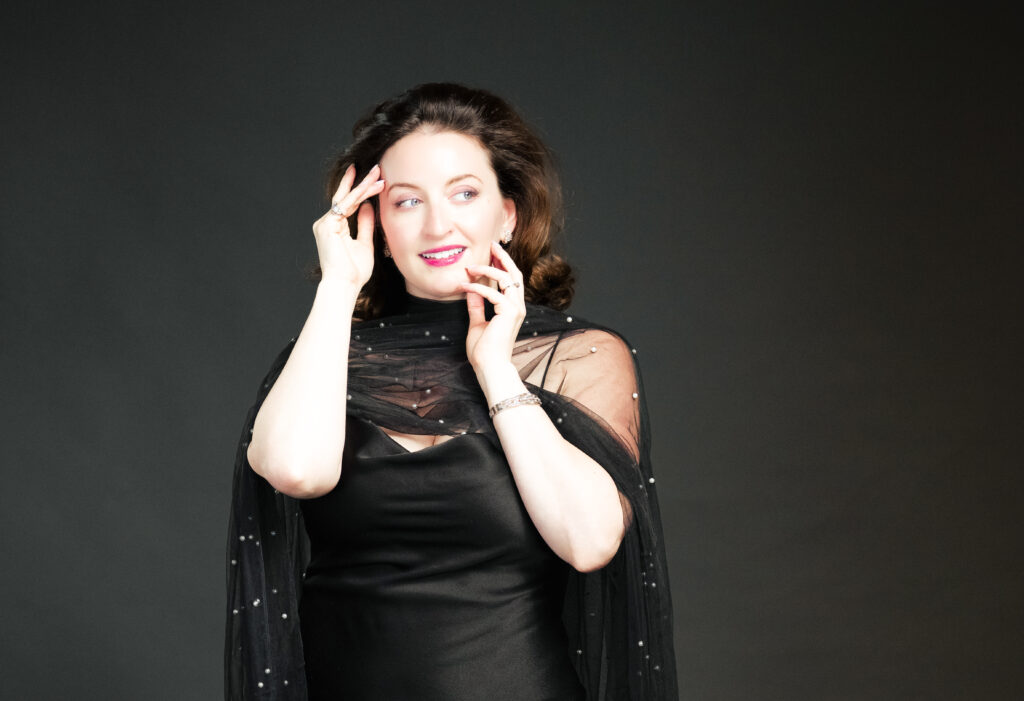
Making classical music accessible does not have to mean simplifying it, she argues. Nor does it require disguising classical performance as something else.
Instead, accessibility can begin with the relationship between performer and listener.
“I don’t think audiences need classical music watered down,” she says. “I think they need to feel that the person onstage is connecting with them.“ “I want someone who has never been to a classical recital to walk in and feel completely welcome there,” she says. “You shouldn’t feel like you have to know when something was written or understand the history of an aria in order to be moved by it. The music alone is what will move you.”
That has led her to think about concerts as experiences rather than simply programs.
Repertoire is part of that. So are atmosphere, visual presentation, movement, storytelling and the relationship between performer and audience. She thinks about the emotional trajectory of a program and about how one song changes the way an audience hears the next.
The ambition is not to make classical music resemble a pop concert. It is to give classical performance some of the emotional immediacy that contemporary audiences already expect from live music and prove that a classical music concert doesn’t need all the smoke and mirrors of pop concerts because the depth of the music is what stops the show.
That is ultimately what the title The Art of Song is meant to encompass. Not opera. Not art song. Not pop. Song.
Barasch sees the human voice as the common thread running through repertoire that might otherwise be divided by record-store categories, conservatory departments or centuries.
Her recital asks audiences to hear those connections for themselves.
And while a program that stretches from Puccini to The Cranberries makes for an attention-grabbing headline, Barasch hopes audiences ultimately stop thinking about the contrast.
“I would love for someone to hear a Puccini aria they’ve never encountered before and be as emotionally involved in it as they are when they recognize a song they already love,” she says. “And then maybe, by the end of the concert, those categories don’t feel quite so important anymore.”
To learn more about Susanna Barasch and her upcoming “The Art of Song” concert schedule, please visit www.susannabarasch.com and follow her on Instagram @susannasings.